

ABSTRACT
The Big Data Analytics (BDA) project within the Ministry of Natural Resources, Environment and Natural Resources (NRECC) presents a ground-breaking initiative aimed at leveraging the power of data analytics for sustainable resource management and conservation. This article provides an overview of the BDA NRECC project and highlights the numerous benefits it offers. Under the BDA NRECC project, a collaboration effort involving the Department of Wildlife and National Parks Peninsular Malaysia (PERHILITAN), the Forestry Department of Peninsular Malaysia (JPSM), the Department of Mineral and Geoscience Malaysia (JMG), and the National Water Research Institute of Malaysia (NAHRIM) has been established. This collaborative approach brings together expertise from various domains to address critical challenges and opportunities in natural resource management and environmental conservation. The article delves into four key business cases that form the core of the BDA NRECC project namely Human-Wildlife Conflict (HWC), Forest Fire, Groundwater and Malaysia Adaptation Index (MAIN). In conclusion, the BDA NRECC project demonstrates the transformative potential of big data analytics in natural resource management and environmental conservation. The collaboration between various agencies and the utilization of comprehensive datasets enable informed decision-making, optimized resource allocation, evidence-based policy formulation, and strengthened stakeholder engagement. The article highlights the importance of data-driven approaches in promoting sustainable practices and ensuring a better future for natural resources and the environment.
Keywords: Big Data Analytics, Natural Resources, Climate Change
INTRODUCTION
The Big Data Analytics, Ministry of Natural Resources, Environment and Climate Change (BDA NRECC) is a project initiated by the Ministry of Natural Resources, Environment and Climate Change (NRECC). BDA NRECC aims to develop Big Data Analytics (BDA) capabilities for four specific business cases, encompassing a wide range of natural resource and environmental sectors. These cases involve the analysis and interpretation of vast amounts of data provided by
52 data providers. With a staggering volume of 30 million data points, these diverse datasets cover various aspects of wildlife, forestry, mineral resources, geoscience, and water research.
By leveraging the power of big data analytics, the BDA NRECC project intends to extract valuable insights and patterns from these 150 datasets. The collaboration among four selected agencies under NRECC, namely the Department of Wildlife and National Parks Peninsular Malaysia (PERHILITAN), Forestry Department of Peninsular Malaysia (JPSM), Department of Mineral and Geoscience Malaysia (JMG) and National Water Research Institute of Malaysia (NAHRIM) ensures a comprehensive approach to data analysis, combining expertise from different domains. Through the utilization of advanced analytics techniques, the project aims to unlock the potential of this extensive data collection and generate actionable intelligence for informed decision-making in natural resource management and environmental conservation.
The implementation of BDA in natural resource management and environmental conservation has been supported by numerous academic studies. Research conducted in this field has revealed valuable insights and trends that highlight the potential of BDA in addressing complex challenges. For instance, a study by Chew et al. (2022) reported a review of forest fire combating efforts in Malaysia from 1989 to 2021. It has been postulated that the use of big data platforms, particularly publicly accessible satellite data, holds promise for addressing forest fire challenges. The review suggests that the incorporation of machine learning or deep learning methods could significantly enhance fire prediction and detection in the country.
Another research conducted by Abdullah et al. (2020) involved NAHRIM as the Regional Water Knowledge Hub for Climate Change and Adaptation. The research studied a knowledge portal for analyzing hydroclimatic data known as the Malaysia Climate Change Knowledge Portal (NHyDAA). The study demonstrated that the creation and utilization of voluminous data through the portal support various R&D activities aligned with sustainable development and help mitigate the risks and impacts of climate change. The researchers found that multicriteria decision-making methods were most commonly applied in natural disaster management, water resource management, and policy as well as strategy planning. The study also suggested the exploration of new research areas for implementing BDA is useful to improve results and expand capabilities.
BUSINESS CASES OF BIG DATA ANALYTICS IN NRECC
 The BDA NRECC project has made notable strides in the field of natural resource management and environmental conservation. It encompasses four distinct business cases that leverage big data analytics to tackle pressing challenges. The project commenced in 2017 with a focus on addressing Human-Wildlife Conflict (HWC), and subsequently expanded to include three additional business cases in 2019: groundwater assessment, forest fire management, and the development of the Malaysia Adaptation Index. These initiatives demonstrate the project’s commitment to utilizing data-driven approaches for sustainable and effective problem-solving in Malaysia’s environmental landscape. Through data-driven insights, these cases aim to enhance decision-making, resource allocation, policy formulation, and stakeholder collaboration for a more sustainable future.
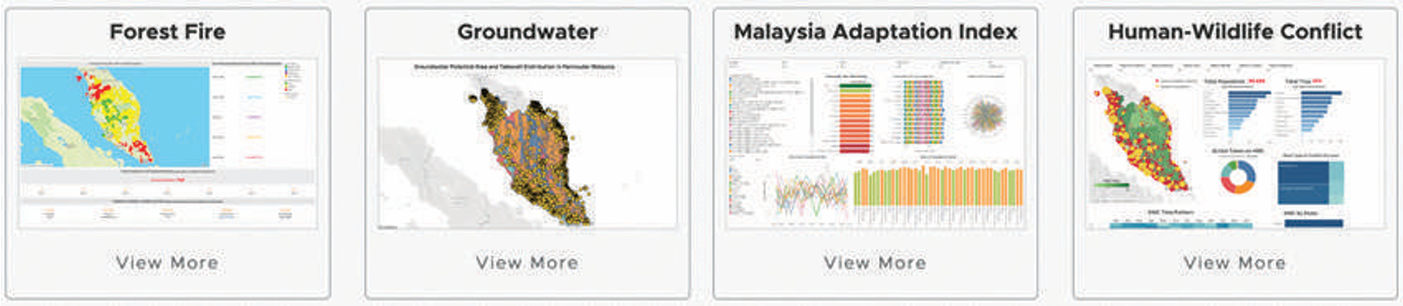
Figure 1 Business Cases of Big Data Analytics in NRECC
Source: Adapted from https://bda.nrecc.gov.my/index.php/en/
Business Case I: Human-Wildlife Conflict (HWC)
The Human-Wildlife Conflict (HWC) business case assists PERHILITAN to focus on addressing conflicts between humans and wildlife while ensuring biodiversity conservation. HWC is primarily influenced by several factors such as habitat loss, degraded or fragmented habitats, poaching, and urbanization. Additionally, discarded food from domestic waste and interactions between humans and wildlife also a play role in exacerbating these issues. This business case has the ability to analyze diverse datasets related to wildlife population dynamics, habitat encroachment, human activities, and conflict incidents. By studying these datasets, BDA NRECC can gain insights into the patterns, causes, and impacts of human-wildlife conflicts. This data-driven approach supports the formulation of evidence-based policies and strategies to minimize conflicts and promote harmonious coexistence. Through stakeholder engagement and collaboration, NRECC can involve various parties, including government agencies, academic institutions, NGOs, and the public, in developing effective measures that balance the needs of both human communities and wildlife populations.
Business Case II: Forest Fire
The case of forest fire involves the development of a comprehensive system for analyzing and forecasting forest fire incidents in the Permanent Reserves Forest (PRF) of Peninsular Malaysia. The system will enable JPSM to forecast the areas of potential forest fires as early as seven days; locate the relevant agencies to deal with forest fires close to the site of the fire incident that can be identified; locate the nearest water resources; and estimate the cost of the firefighting operations. By leveraging big data analytics, the Forestry Department of Peninsular Malaysia (JPSM) can analyze various datasets, including historical fire data, weather patterns and vegetation density, to identify high-risk areas prone to forest fires. This system provides valuable insights and visualizations that aid in resource allocation, prioritizing preventive measures and responding promptly to fire incidents. The BDA system enhances the efficiency and effectiveness of fire management efforts, reducing the damage caused by forest fires and preserving valuable natural resources.
Business Case III: Groundwater
The groundwater case focuses on assessing the potential areas and distribution of groundwater in Peninsular Malaysia. By analyzing vast amounts of data, such as geological data, hydrological data and groundwater monitoring data, BDC NRECC can identify areas with high groundwater potential and evaluate the distribution of tube-wells for groundwater extraction. BDA enables the generation of insights and visualizations that help in understanding the availability, utilization, and sustainability of groundwater resources. This information supports informed decision-making regarding groundwater management, promoting sustainable water use and ensuring the long-term availability of this vital resource.
Business Case IV: Malaysia Adaptation Index (Main)
The Malaysia Adaptation Index (MAIN) case involves the development of an index that assesses and measures the level of vulnerability and readiness of each Malaysia’s state in facing and adapting to the impact of climate change. BDA NRECC is able to analyze various datasets related to climate patterns, vulnerability assessments, infrastructure, and socioeconomic factors to generate the Malaysia Adaptation Index. The methodology for MAIN partly adopted from the Notre Dame – Global Adaptation Index (ND-GAIN) Country Index. This index aims to enable the government to have insight into Malaysia’s current situation and asses the readiness of each state by leveraging the investments from public and private sectors to adapt to climate change possibilities and impacts. By incorporating big data analytics, BDA NRECC can identify areas that require attention, prioritize adaptation strategies, and guide policy decisions to build a more resilient and sustainable future.
BENEFITS OF BIG DATA ANALYTICS IN NRECC
Implementing big data analytics within the framework of the NRECC project offers a multitude of benefits for the organization. By harnessing the power of data-driven insights, NRECC can enhance its operations, decision-making processes, and overall effectiveness in managing natural resources and environmental conservation. There are several key advantages that BDA brings to the NRECC.
Firstly, BDA empowers the NRECC to conduct enhanced data analysis by leveraging the vast amounts of data collected from 52 data providers. This capability allows for comprehensive and in-depth analysis, uncovering hidden patterns, correlations, and trends. By utilizing advanced analytical techniques, the NRECC can derive valuable insights from this wealth of information, leading to more informed decision-making and improved resource management strategies.
One notable example of the benefits of BDA is its application in forecasting forest fires, aimed at reducing and minimizing fire hazards in permanent reserve forest areas of Peninsular Malaysia. The visualization of the Forest Fire Incident Forecasting System in Permanent Reserves Forest (PRF) in Peninsular Malaysia assists JPSM in analyzing and forecasting forest fire incidents. The system was developed to enable daily operational forecasting of forest fires. Forestry officers in the command centre room can make data-driven decisions based on the insights generated by BDA. By analyzing various data inputs, such as weather conditions, historical fire incidents, and vegetation density, the BDA system helps in identifying high-risk areas and allocating resources effectively to prevent and combat forest fires. By utilizing BDA, JPSM can analyze historical fire data, weather patterns, and vegetation density to develop a predictive model that identifies high-risk areas prone to forest fires. This visualization tool provides a clear understanding of fire risk distribution across PRFs, enabling JPSM to allocate resources effectively, prioritize preventive measures, and respond promptly to fire incidents.
Furthermore, BDA plays a crucial role in improving resource planning and allocation within the NRECC. By leveraging data-driven insights, the organization can optimize the allocation of resources to achieve maximum efficiency and impact. Through the analysis of the available 150 datasets, NRECC can identify areas of priority, assess resource demands, and allocate resources accordingly. An illustrative example of the benefits of BDA in resource planning is the estimation of costs associated with groundwater versus surface water usage. Moreover, NRECC can analyze various factors such as water availability, demand projections, infrastructure costs, and environmental considerations through the use of BDA.
BDA plays a pivotal role in data-driven policy formulation within the NRECC. By harnessing the power of comprehensive datasets, the organization can make evidence-based policy decisions that are grounded in robust data insights, leading to policies that are more credible, effective, and aligned with the current state of natural resources, environmental concerns, and societal needs. A prominent case demonstrating BDA’s contribution to data-driven policy formulation is the strategic collaboration between NRECC and PERHILITAN (Department of Wildlife and National Parks Peninsular Malaysia) in addressing human-wildlife conflicts. The objective of this collaboration, established in 2017, is to develop effective measures for mitigating conflicts between humans and wildlife while ensuring the conservation of biodiversity.
Lastly, BDA enables enhanced stakeholder engagement and collaboration within the NRECC. By leveraging the data, insights, and visualizations derived from BDA, the organization can foster transparency, promote dialogue, and encourage participation from a wide range of stakeholders involved in natural resource management and environmental conservation. This collaborative approach facilitates a holistic and inclusive decision-making process, leading to more effective and sustainable outcomes. For example, in the context of groundwater management, BDA can play a crucial role in facilitating stakeholder engagement and collaboration. By analyzing data related to groundwater potential areas and tubewell distribution in Peninsular Malaysia, NRECC can generate valuable insights into the availability and utilization of groundwater resources.
Using BDA, NRECC can visualize the findings and share them with relevant stakeholders, including government agencies, academic institutions, NGOs, and the public. These visualizations can provide a clear understanding of the distribution and characteristics of groundwater resources, fostering transparency and informed discussions. By actively involving stakeholders in the decision-making process, NRECC can gather diverse perspectives, local knowledge, and expertise, leading to more comprehensive and well-rounded strategies for groundwater management. Stakeholders can contribute valuable insights, such as the impacts of groundwater extraction on local communities, the importance of sustainable water use, and the identification of potential conservation measures.
CONCLUSION
The implementation of Big Data Analytics (BDA) within the framework of the Natural Resources, Environment, and Climate Change (NRECC) project presents numerous benefits for effective natural resource management and environmental conservation. By leveraging the power of data-driven insights and advanced analytics techniques, the NRECC can enhance its decision-making processes, resource allocation strategies, risk management approaches, and policy formulation. The four business cases under the BDA NRECC project highlight the significant impact of big data analytics in addressing key challenges. The benefits of BDA in the NRECC project are far-reaching. It enhances data analysis capabilities, optimizes resource planning and allocation, facilitates proactive risk management, and supports data-driven policy formulation. Notable examples include the forest fire forecasting system, which reduces fire hazards and preserves natural resources, and the estimation of costs associated with groundwater usage, enabling informed decision-making in water resource management. Moreover, BDA enables NRECC to proactively identify and mitigate risks, improving environmental resilience. The collaborative approach facilitated by BDA promotes stakeholder engagement and participation, ensuring holistic decision-making processes and fostering sustainable outcomes. In conclusion, the BDA NRECC project exemplifies the transformative potential of big data analytics in natural resource management and environmental conservation. By harnessing the power of data insights and collaborations, the NRECC can make informed decisions, allocate resources effectively, and develop sustainable strategies to protect and conserve natural resources and the environment.
REFERENCES
Abdullah, M. F., Amin, M. Z. M., Zainol, Z., & Ideris, M. M. (2020). Big Data Analytics as Game Changer in Dealing Impact of Climate Change in Malaysia: Present and Future Research. In IoTBDS (pp. 461-469).
Chew, Y. J., Ooi, S. Y., Pang, Y. H., & Wong, K. S. (2022). A Review of Forest Fire Combating Efforts, Challenges and Future Directions in Peninsular Malaysia, Sabah, and Sarawak. Forests, 13(9), 1405.
Ministry of Natural Resources, Environment and Climate Change (NRECC). (n.d.). Big Data Analytics, Natural Resources, Environment and Climate Change (BDA NRECC). Retrieved May 23, 2023, from the World Wide Web:https://bda.nrecc.gov.my/index.php/en/
Ministry of Natural Resources, Environment and Climate Change (NRECC). (n.d.). Ministry of Natural Resources, Environment and Climate Change. Retrieved May 23, 2023, from the World Wide Web:https://www.nrecc.gov.my//en-my/Pages/default.aspx