

In an era defined by rapid technological advancements, the efficiency and reliability of public sector software are more critical than ever. As governments worldwide embrace digital transformation, ensuring the quality of the software that underpins essential services becomes paramount. Alright folks, let’s talk about something important in a way that’s easy to understand. How do we ensure that the government software we rely on actually works? From websites that provide public services to apps for paying taxes and systems that manage healthcare, these digital tools play a crucial role in our daily lives. That’s where Software Quality Assurance (SQA) comes in, and it’s getting a major makeover. We’ll unpack how the Public Sector is revolutionizing SQA, looking at the driving forces, key components, and strategies for making it happen.
The “Why” of Revolutionizing SQA in the Public Sector
The push to revolutionize SQA in the public sector is fuelled by several converging factors:
a. Digital-First Approach
“Anjakan Strategi Digital First” or “Digital First Strategy Shift”, launched by National Digital Department last year, represents a significant transition in the Malaysian government’s approach to digital transformation. It’s a strategy aimed at accelerating the government’s digital transformation, by adopting the “Digital First” approach; this means prioritizing digital solutions in the delivery of government services. It is a part of the government’s effort to move towards a “Whole of Government” (WoG) approach, integrating services across different government agencies.
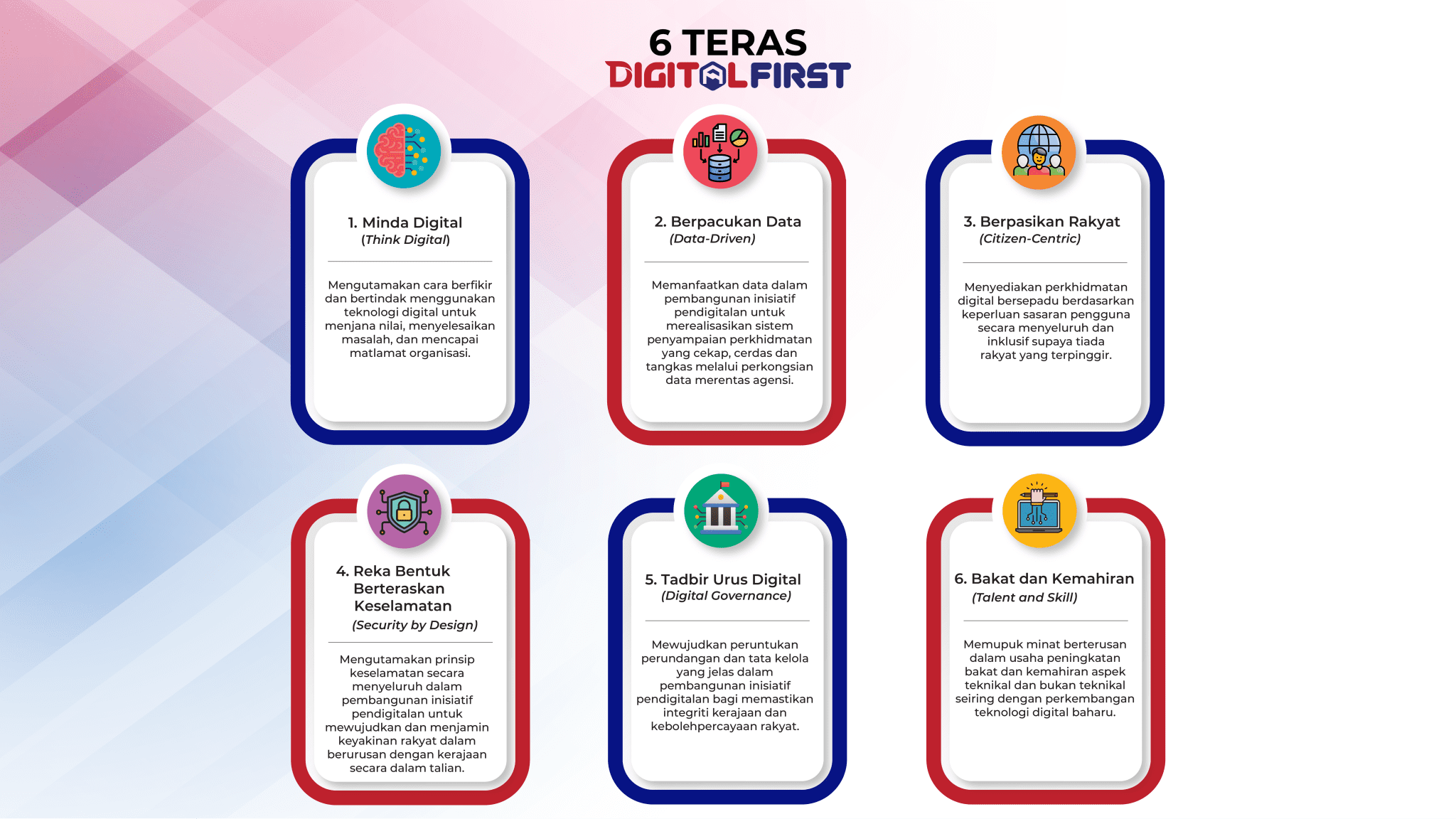
Figure 1: Pillars of Digital First Approach
The strategy is aligned with the Malaysia MADANI vision, emphasizing transparency and effective digitalization initiatives. SQA is essential for the successful implementation of the “Digital First” strategy. It ensures that digital solutions meet the required standards of quality, performance, and security. By ensuring that digital services are reliable, secure, and user-friendly, SQA helps to build public confidence in the government’s digital initiatives.
- Digital-First is the New Normal: Governments are increasingly adopting a “digital-first” approach, prioritizing digital technologies to enhance value, solve problems, and achieve organizational goals. This fundamental shift necessitates a more robust SQA implementation to ensure that digital initiatives are steadily reliable and effective. Imagine if your online tax system crashed during the deadline! That’s the kind of headache SQA helps prevent.
- Data is King: The public sector is leveraging data to develop digital initiatives, aiming for efficient, intelligent, and agile service delivery through inter-agency data sharing. Think about traffic management systems using data to optimize traffic flow; SQA plays a crucial role in validating the integrity and accuracy of the data and the systems that process it.
- It’s All About You (the Citizen): A core principle in modern public service is providing integrated digital services tailored to user needs, ensuring inclusivity and preventing digital exclusion. Governments want to provide services that are easy to use and accessible to everyone. High-quality software is essential to deliver seamless and accessible services to all citizens. Like a mobile app for renewing your driver’s license – it needs to be user-friendly for everyone, regardless of their tech skills. SQA helps make this happen.
- Safety First: Security is a HUGE deal, especially with all the cyber threats out there. Imagine if someone hacked into a healthcare system and stole your medical records. With the rise of cyber threats, embedding security into the design of digital initiatives is crucial for building and maintaining public trust in online government services. We need to protect everyone’s and make sure government systems are secure. SQA includes rigorous security testing to keep things safe.
- Good Governance Matters: Establishing clear legal frameworks and governance structures for digital initiatives is vital for maintaining government integrity and public trust. SQA contributes to this by ensuring that software development aligns with regulatory requirements and governance policies.
- Skills are Key: Continuous development of technical and non-technical skills is essential to keep pace with emerging digital technologies. Investing in SQA expertise is a key component of this talent development. We need talented people who can build and test software, and are willing to keep learning new things.
b. Emerging Trends Shaping SQA
The SQA landscape is undergoing a significant transformation driven by emerging technologies. Gartner has highlighted 10 key trends that possess the power to disrupt established business models, fuel innovation, and tackle critical enterprise challenges as shown in Figure 2. These trends demand strategic foresight and proactive implementation within an organisation.
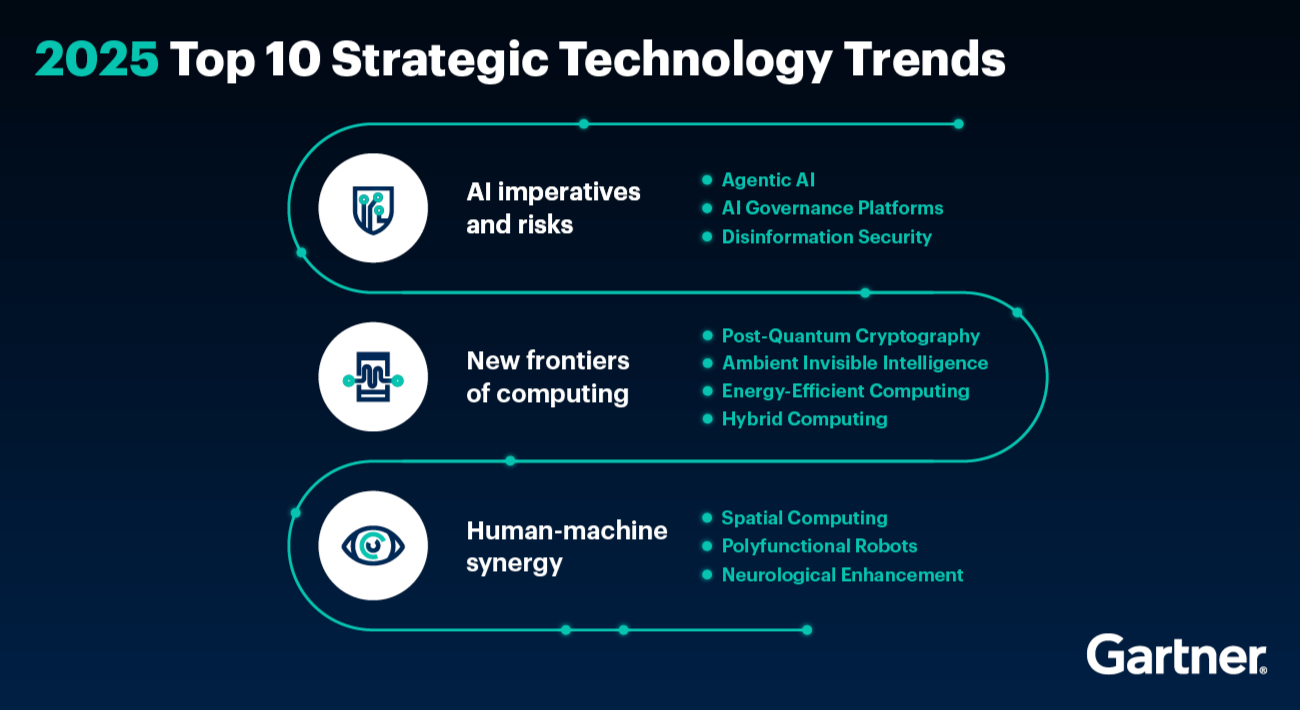
Figure 2: 2025 Gartner Top 10 Strategic Technology Trends
- AI and ML are Game-Changers: Artificial intelligence (AI) and machine learning (ML) are being integrated into SQA to enable automated testing, intelligent defect detection, and predictive analytics, thus enhancing the efficiency and effectiveness of quality assurance processes. Artificial intelligence (AI) and machine learning (ML) are making SQA smarter and faster.
Example: Imagine AI automatically testing a government website for accessibility, making sure it’s easy for people with disabilities to use. Or AI predicting where errors might happen in a system, so developers can fix them before they cause problems.
- DevOps and Agile are Teaming Up: The combination of DevOps and Agile methodologies in SQA fosters a culture of shared responsibility for quality, leading to increased efficiency and speed in software development and deployment. DevOps and Agile are ways of working that bring developers and testers together, so everyone’s focused on quality from the start.
- Elevated Importance of Security Testing: With more online threats, security testing is now a top priority. In response to evolving cyber threats, security testing is taking on greater importance to ensure that software systems are secure and resilient.
Example: Think of “ethical hackers” testing a government app to find security weaknesses before real hackers can exploit them.
- Rise of Cloud-Based Testing Platforms: Cloud-based testing platforms enable real-world testing scenarios and facilitate collaboration among distributed teams, breaking down geographical barriers and creating a more diverse testing environment.
c. Quality Conscious Software Delivery
When it comes to making software, it’s important to know what “quality” means so that any potential problems will be kept to a bare minimum. To release software on time without sacrificing quality, it is important to understand what quality means and how it relates to other ideas about quality. Also, it’s important to know how to make sure that everyone who works on making software is aware of all the choices that are made about quality. The quality of the product now becomes the responsibility of the whole team and not the testing team alone. “Whole-team testing” means that everyone on the team knows what testing is and takes part in it. Testing education is used to help the team make a good product. And team members need to see how skilled testers do their jobs in order to help with testing in a useful way. This also means that testers should be able to do skilled exploratory testing on the product, find risks that aren’t immediately clear, and help the team analyse, visualise, and improve quality all the way throughout the lifecycle of the product. You can get more done in less time if more people learn how to test and help with testing.
Key Components of Revolutionizing SQA
Revolutionizing SQA in the public sector involves a focus on three key components: people, process, and technology.
- People: This involves upskilling and reskilling the workforce through training and awareness programs, and enhancing communication among stakeholders.
- Process: This includes establishing robust frameworks, guidelines, and governance structures to guide SQA activities.
- Technology: This involves leveraging tools and automation to improve the efficiency and effectiveness of SQA processes.
How is the National Digital Department Driving Change?
The National Digital Department plays a crucial role in strengthening the governance of digitization initiatives and accelerating the adoption of new digital technologies. JDN is leading the transition towards GovTech, where the digitization of government services is citizen-centric and data-driven, enabled by a Whole of Government (WoG) approach.
National Digital Department SQA initiatives include:
- People: Upskilling and reskilling programs, establishment of talent groups for SQA, and building competencies in software development and SQA.
- Process: Implementing guidelines such as PPrISA, KRISA, IV&V Handbook and many others.
- Technology: Utilizing generic and shared platforms such as DevOps, MyGDX, and Public Sector Clouds.
The Role of the Malaysian Public Sector Testing Centre of Excellence (MyTCoE)
The Malaysian Public Sector Testing Centre of Excellence (MyTCoE), established in 2015, plays a vital role in providing guidelines and policies on in SQA, serving as a referral center, and offering advisory and consulting services to government agencies. MyTCoE’s services include functional and non-functional testing (performance), independent verification and validation (IV&V), and software estimations.
Conclusion
Revolutionizing public sector software quality assurance is not merely a goal; it is a necessity in this digital age. By focusing on people, process, and technology, and embracing emerging trends, governments can ensure the delivery of high-quality, secure, and reliable digital services that benefit citizens and enhance public trust. As Aristotle once said, “Quality is not an act, it is a habit.” By making quality a habit, the public sector can confidently navigate the complexities of digital transformation and build a future where technology empowers and serves society as it should.
References
Gene Alvarez. (2024). Gartner Top 10 Strategic Technology Trends for 2025. Gartner. Retrieved November 12, 2024, from https://www.gartner.com/en/articles/top-technology-trends-2025
Anjakan Strategi Digital First – Portal rasmi Jabatan Digital negara. (n.d.). https://www.jdn.gov.my/ anjakan-strategi-digital-first/
Lalitbhamare. (2021, November 5). Introducing quality conscious software delivery – tales of testing. Tales of Testing. https://talesoftesting.com/introducing-quality-conscious-software-delivery/